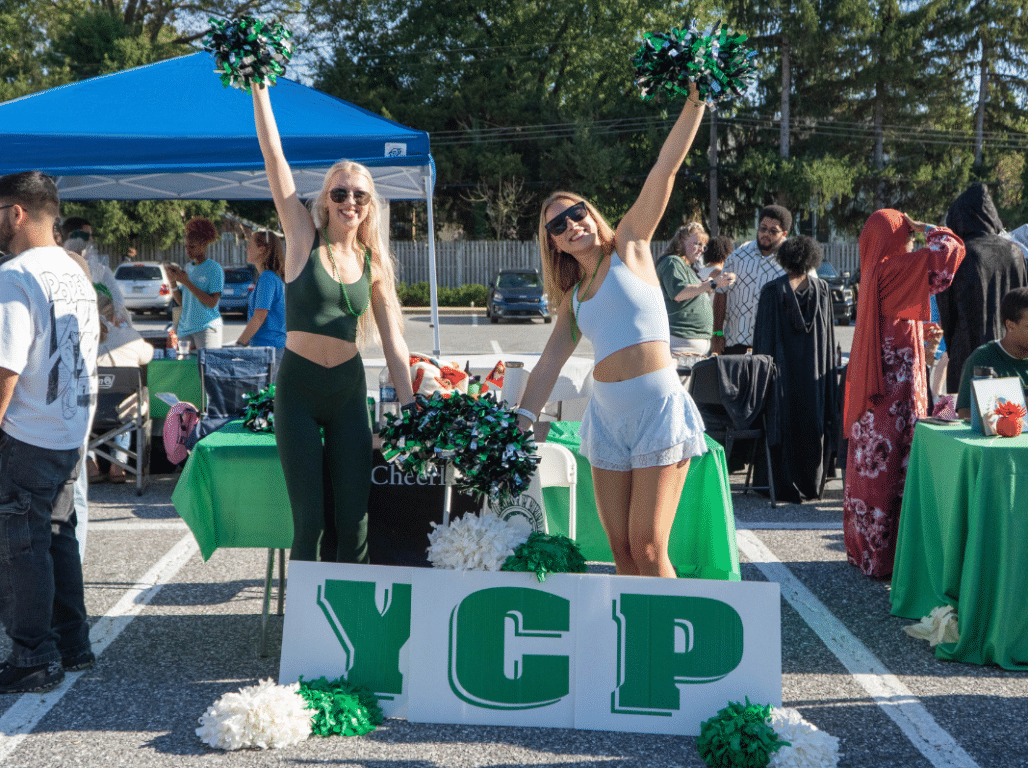
From Storytelling to Strategy: The Creative Heart of York College's RPG Club
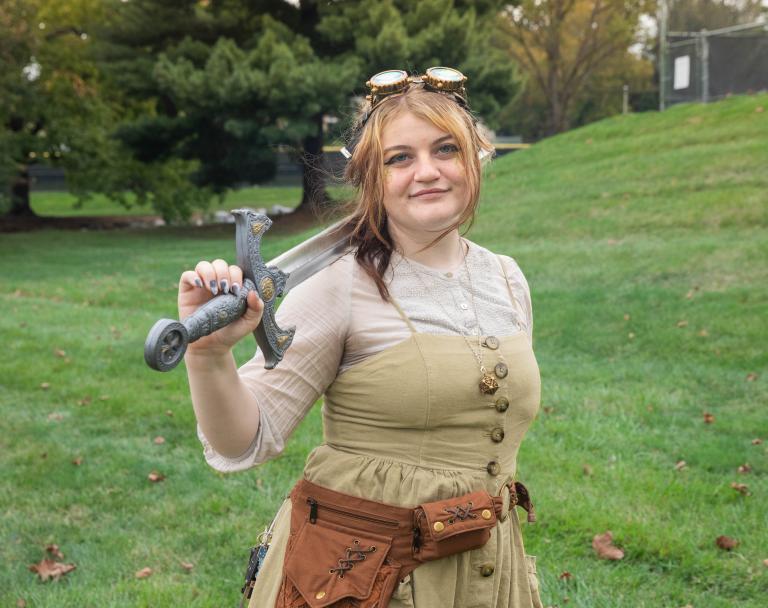

Hi, I’m Bri Clary, a senior Sport Media major here at York. I started this blog series to showcase how being a part of the YCP community goes beyond the classroom. Getting involved, meeting new people, and having new experiences are all key to making the most of your college journey—and joining a club or organization is a great way to do that. Each story will feature a different campus group, to highlight the sense of pride and connection that makes York such a special place.
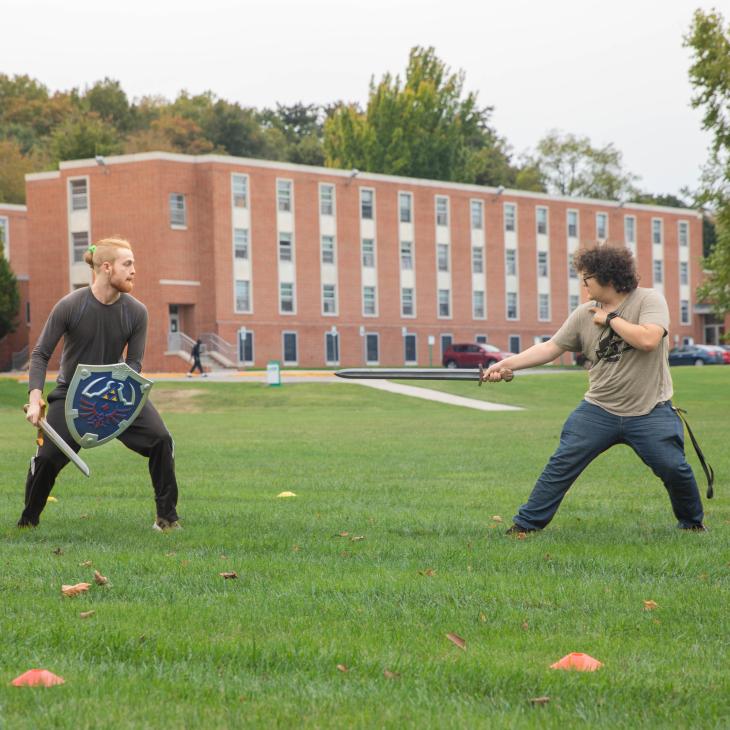
Every campus has its hidden corners of creativity—places where students get together to share passions that just might be a little unexpected or “niche,” one might say. For York College, one of those spaces is the Tabletop Role-Playing Games (TTRPG) Club. Whether it's rolling dice in a collaborative storytelling game, acting out a live action duel (otherwise known as LARPing), or just gathering to learn about a new creative skill, this group brings imagination to life through interactive world-building.
What is TTRPG and LARPing anyway?
So, you may be wondering what exactly TTRPGs and LARPing are. Tabletop Role-Playing Games are part storytelling, part strategy, and all “whimsy,” as president of the club Jack Shugar would say. Players use their imagination to create unique characters with specific traits, skills, and backstories. They then work together to navigate an imaginary world which is guided by a “game master.”
How TTRPGs work:
- Each player creates a character with unique traits, abilities, and personalities.
- The game master guides the story, sets challenges, and plays the world around the characters.
- Players make decisions in the story, and dice rolls help determine what's next.
- Games take place face-to-face around a table.
- Goal: Collaboratively build an adventure and have fun. (There is no winner)
RPGs have been around for decades, with classics like Dungeons & Dragons for example, but there are tons of other systems that let players explore different themes, worlds, and adventures. At York, that creative spirit lives on through the campus’ TTRPG Club. It’s a place where students gather weekly to create worlds, roll dice, and build friendships through their shared imaginative interests.
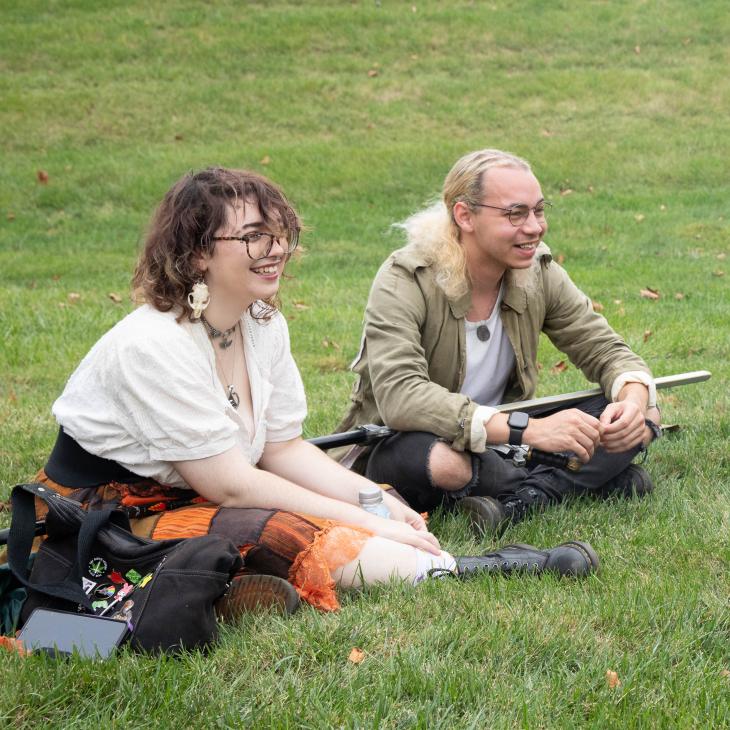
On the other hand, LARPing or Live-Action-Role-Playing, takes that imagination off the table and puts it in the real world. Players are able to physically act out their characters, whether it's more combat-based—using foam swords, weapons, shields—or more role-play heavy with costumes, and elements of dramatic flair to “embody someone else.” Vice President Audrey Schaefer explains.
In short, RPGs and LARPing are all about creativity, competition, and teamwork, as you step into a story constructing whatever narrative feels right to you. It combines acting, writing, and gaming all into one.
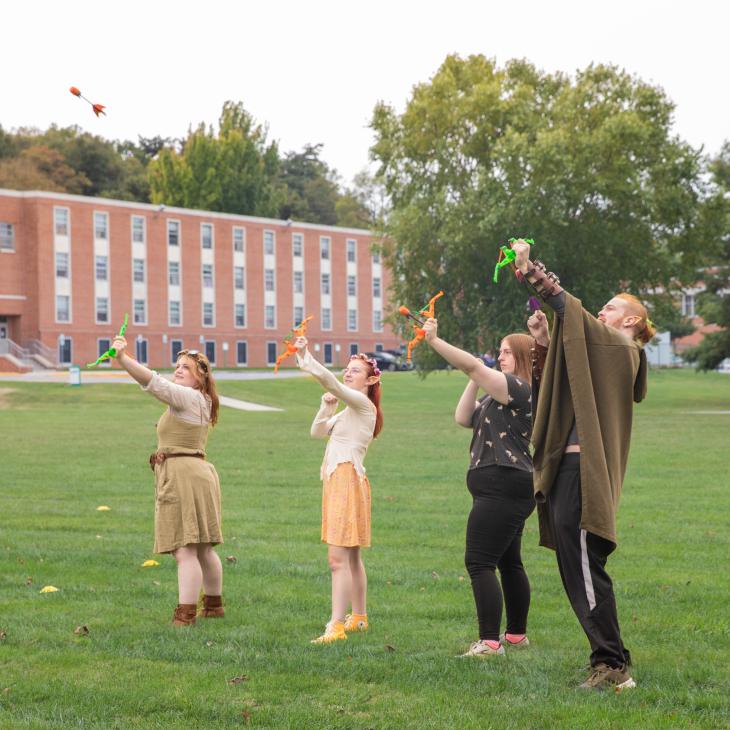
The Club’s LARP Tournament
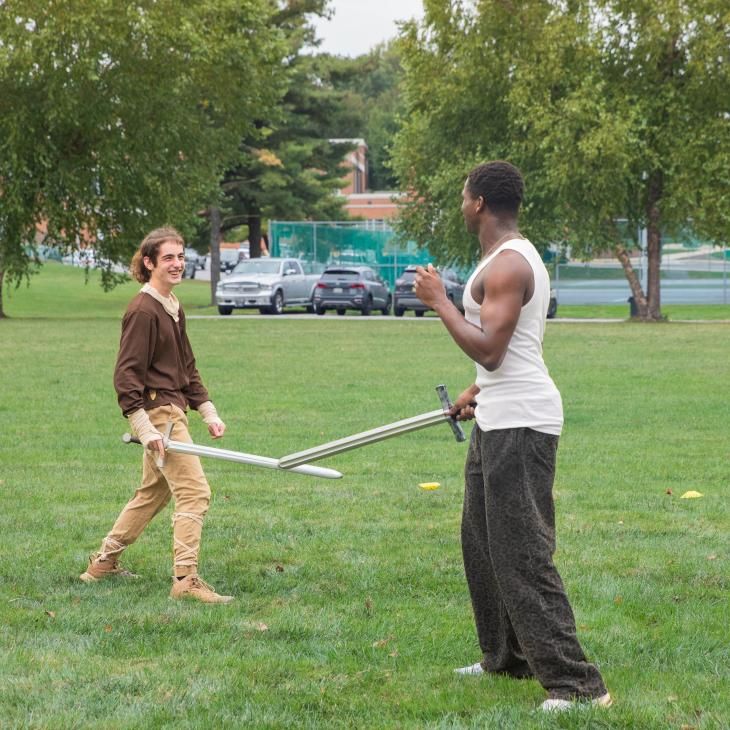
Once a semester, the club hosts a LARP tournament where members duel each other tournament-style.
The event gives players a chance to not only show off their creativity with their costumes and character designs, but also provides a change of pace from normal meetings and fosters a more competitive environment. For many, dressing up and stepping fully into character is part of what makes the tournament special. “I like to personally dress up because it adds to the flair, it adds to the fun,” Jack said. “It helps people feel a little more relaxed and willing to engage.”
Being able to fully become absorbed in the activity is something that really appeals to members. “A lot of us really enjoy the competition aspect,” Jack added. The winner of the tournament earns a special set of dice—something that holds real meaning with the club's culture.
Dice themselves are an essential part of the RPG process. The use of dice helps to introduce a sense of randomness into games. They create uncertainty, tension, and surprise helping to push story narratives. Some players even roll dice to determine their character's specific attributes—either physical traits like strength and stamina—or mental traits like intelligence and charisma.
After the tournament, the group also joins together for a FEAST, where they wind down from the competition of the day and they spend their time enjoying each other's company enjoying a meal together.
In the end, the tournament is a reminder of how the club successfully brings people together through its mix of friendly competition and shared experiences, giving members a fun tradition to look forward to every semester.
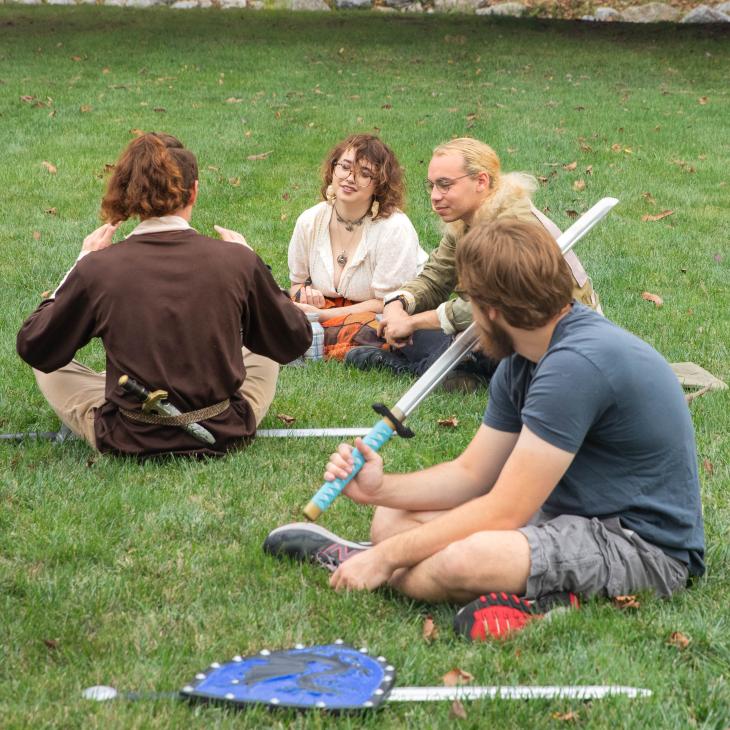
More Than just a “Nerdy Game”
Since they began shaping stories, TTRPGs have faced major misconceptions. Throughout the 80’s, the games were seen as controversial, and were even associated with the “Satanic Panic,” with many believing they promoted dark themes or antisocial behavior.
However, as TTRPG’s and role-playing in general have become more normalized through events like renaissance festivals, and contributions from pop culture with TV shows like Stranger Things, The Big Bang Theory, etc. Even major franchises like Star Wars, Marvel, and Avatar have begun releasing TTRPG’s based on their series, drawing in new audiences.
Psychological research has shown that TTRPGs can foster positive social, emotional, and mental health benefits such as stress relief, and critical thinking skills. Many players form strong friendships through the hobby, as it brings people together in an engaging way.
The same sense of community plays a major role in the RPG club here on campus. “We accept people of all different walks of life, and this is really just a safe space for people,” said Audrey Schaefer, the club's vice president. This attitude, fostered by the club, is a big part of what makes it feel so welcoming for students.
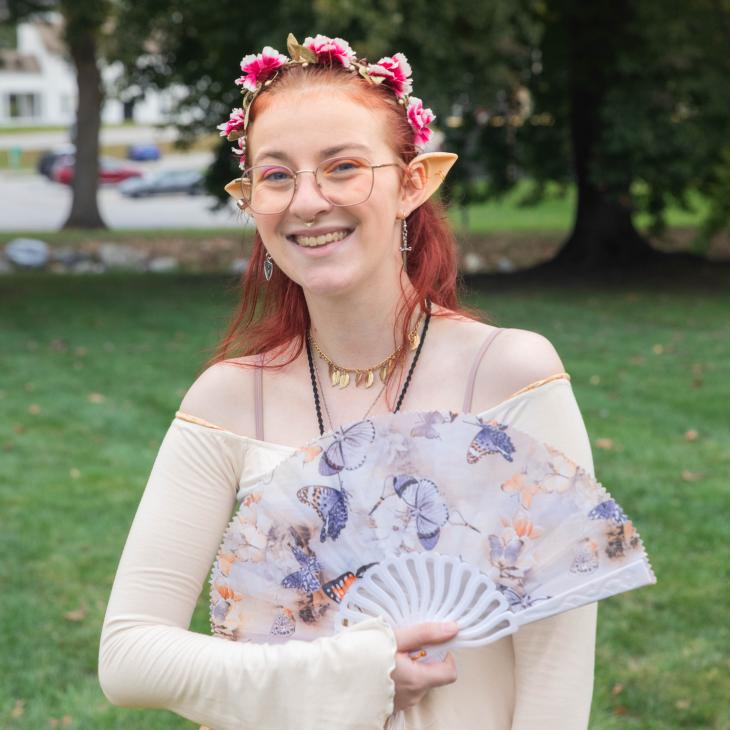
What I Experienced
During my experience visiting the group's LARP event, I got to see firsthand what makes the group so fun, free, and interactive. At one point, two students who were just passing by stopped to watch the tournament, unsure of what was really going on. Instead of ignoring them, members of the club introduced themselves, summarized the event, and even invited them to try out a duel for themselves.
The newcomers were handed foam swords, briefed on the rules, and were able to participate just like that. This was a small moment in the day, but it perfectly captures the club's energy and openness. As Jack put it, “We are a place to experiment and have fun. Maybe sometimes it's okay to be a little weird.” It showed me exactly how this group makes it easy to step out of your comfort zone and embrace the “weird.”
The TTRPG Club as a Creative Community
What makes the TTRPG club truly stand out is the creative community at its core. The group is a mix of students who have played RPGs in the past, alongside members who were just interested in making friends and trying a new creative interest. Club leaders emphasize the importance of creating a comfortable and nonjudgmental environment.
RPGs naturally bring together individuals with a wide range of artistic interests, giving members a space to express themselves through many of the major creative art forms—acting, improvisation, design, storytelling, and more.“I guess what makes it different is that it’s not necessarily one thing—it’s a giant mix of so many of the arts,” said Jack.
Audrey added to that saying, “You can’t have any TTRPGs without art, voice acting, storytelling—it’s a collection of everything creative.” A lot of the club's energy comes from the ability to improvise, letting members fully live out their artistic ideas.
Because creativity is such a huge part of the club, there's never any pressure to dress up or perform a certain way. Members can participate at whatever level they're comfortable with, whether you prefer to have a more out-there costume or character, or prefer a more laid-back style. The club encourages every version of creativity, and that freedom helps to form this close-knit, supportive atmosphere.
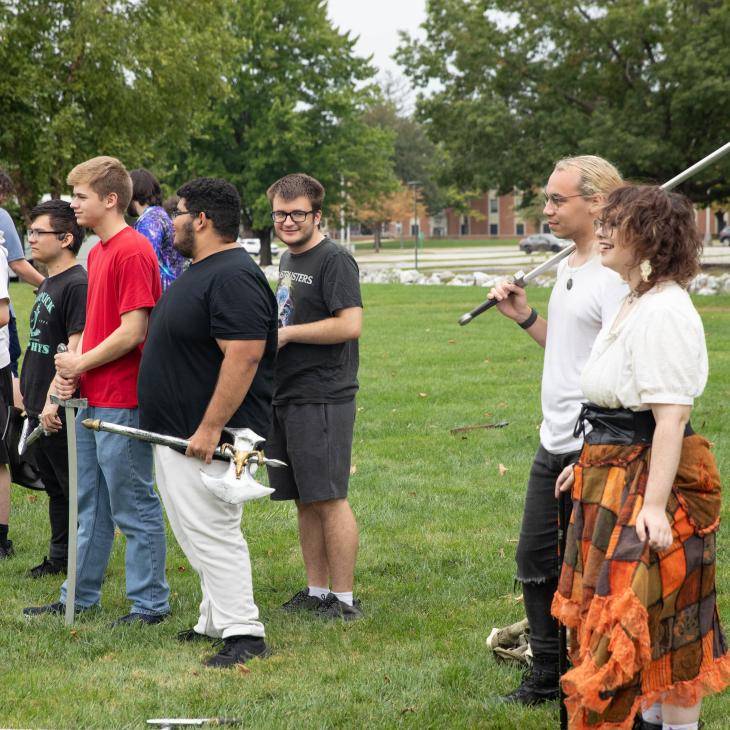
Leading Through Play
Behind the scenes, the club's E-Board members play a crucial role in planning and managing game sessions, organizing events, and leading presentations during meetings. These responsibilities give them hands-on experience in leadership and teamwork, in ways that go beyond what you might expect from working with role-playing games.
“It’s actually really taught me how to be a leader—but also to be incredibly friendly and personable,” Jack said, reflecting on his time working closely with club members, organizers, and staff.
Learning how to event plan, coordinate events, and guide other members through gameplay has helped him build practical skills in communication and collaboration.
The club shows that games can be about more than just a fun experience with friends; they can also be an avenue for personal growth, where you're learning to solve problems, and work toward shared goals.
The Adventure Continues Beyond the Table
From building stories to working in teams, all while expressing creative freedom, it's easy to see how the lessons learned through RPGs can be applied in practical life situations. Players learn how to think on their feet, collaborate with different personalities, and build confidence, all while having fun with friends.
“All of these experiences—whether it’s presenting at club meetings or participating in the LARP tournament—any time I can be spending with my friends, that’s a good memory for me,” Jack said, highlighting how these moments provide lasting camaraderie that goes beyond the game.
Having a TTRPG Club on campus helps represent the best parts of college life— leaving your comfort zone, finding new creative passions, and embracing new connections. The club provides a space for members to explore their creative passions in many ways, while also embracing the "weirdness" that makes each person unique.
“We don’t have any expectations besides humility and kindness,” said Audrey. “That’s what really makes this club special and what draws people in.”
Watching the club in action as someone who loves storytelling and visual art, I was surprised by how much creativity lives within its members, and it is clear that this group has a very close bond. Providing an atmosphere that can foster this outlet to let people express themselves is essential for building a sense of belonging on campus.
For anyone who is looking to try something new, meet like-minded friends, or just step into a more imaginative world, the TTRPG club is the perfect place to do it. Whether you've had a long-time passion or are just curious about how the games work, join the adventure and see where your creativity can take you.